Code Compliance Is The Floor. Control Is The Point.
Most commercial lighting control gets bought twice. Once when the electrical contractor installs the cheapest sensors that satisfy the drawing, and again six months later when nobody can explain why the conference room goes dark mid-meeting and the cleaning crew leaves the whole floor lit until 2am. This is not a comfort feature. It is a code requirement with an inspection attached, a documentation deliverable, and an operating cost on a bill every month of the lease.
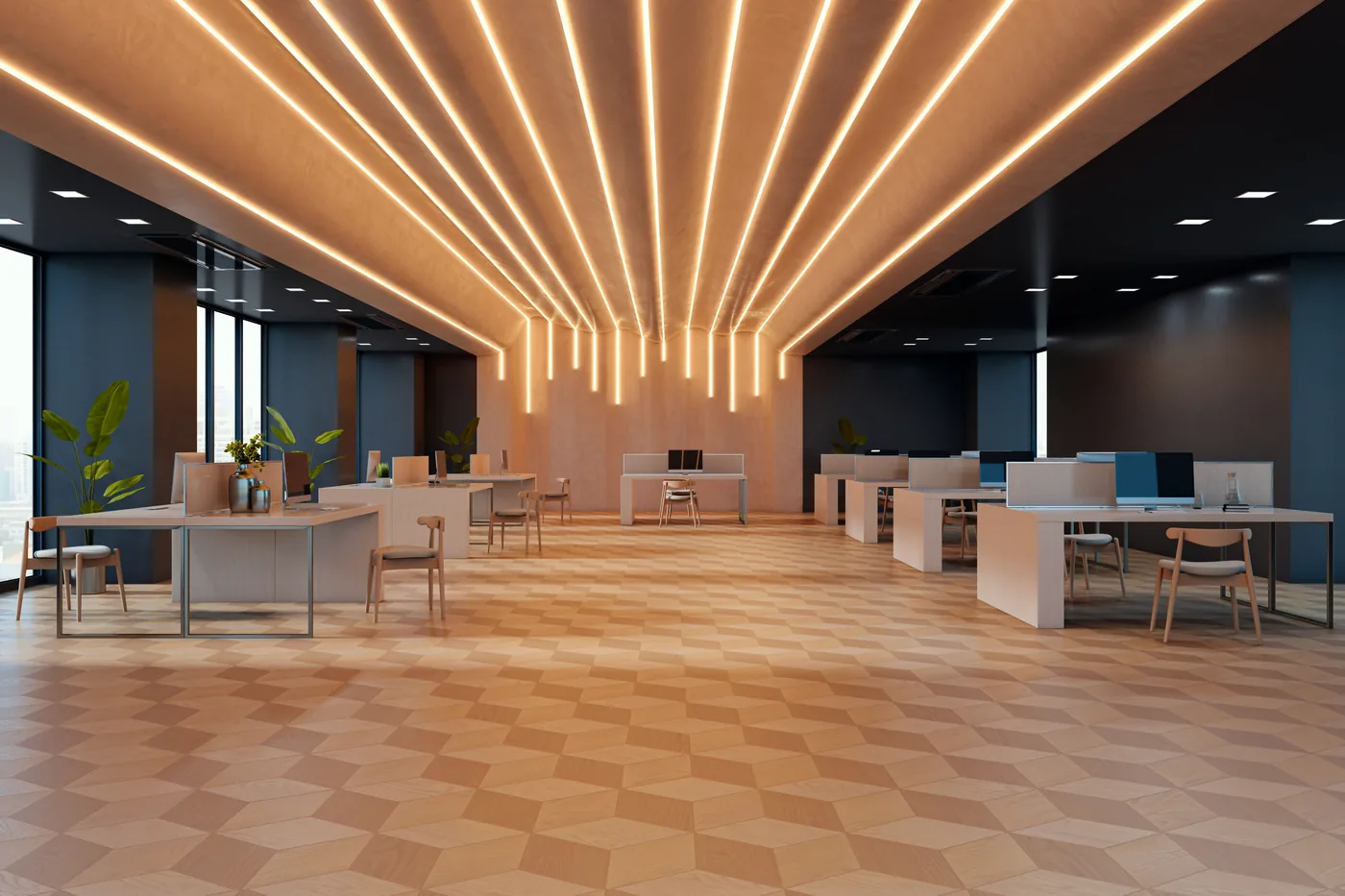
Commercial Lighting Control Systems
What A Commercial Lighting Control System Actually Does
Emergency Lighting And Metering
Emergency circuits driven to full output on loss of normal power regardless of what the dimming system was doing, plus the testing your building already owes. And lighting energy reported by floor or tenant.
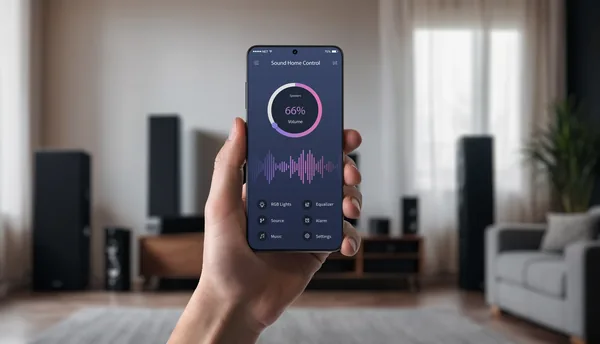
Daylight Harvesting
Photosensors that dim electric light near glass as natural light rises. In a perimeter office it is the largest energy saver in the package, and the control most often installed and never calibrated.
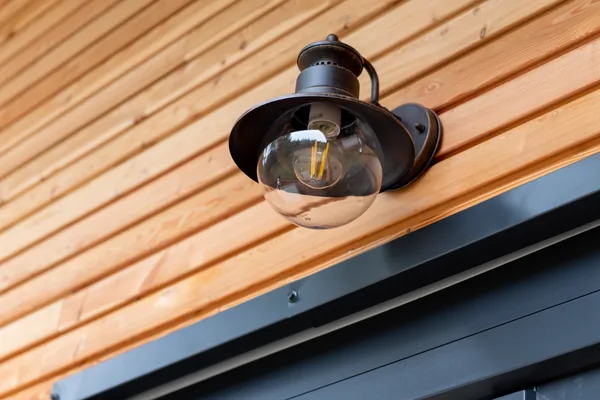
Zone, Area & Scene Control
Lighting grouped by how a space is used, not by which circuit it landed on. Retail scenes for open, stock, close and after-hours. Restaurant dimming that moves a dining room from lunch to dinner without a manager hunting for a slider.
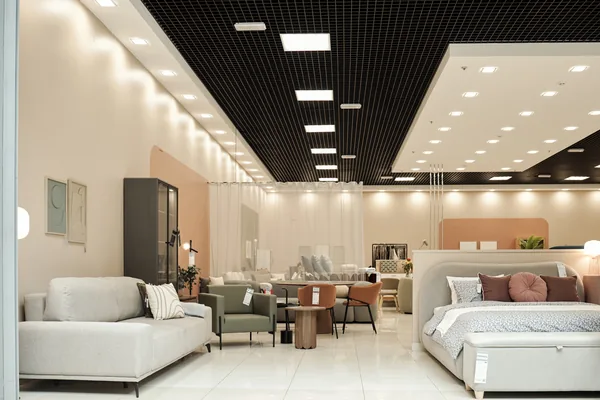
Shutoff, Scheduling & Sensing
Time-of-day schedules by floor and tenant, astronomical scheduling on exterior lighting that tracks sunset instead of a fixed clock, and occupancy sensors that shut a space down when it empties. Passive infrared in small enclosed rooms, dual-technology in conference rooms and restrooms, high-bay sensors in warehouse aisles.

Code Is The Spec. Everything Else Is A Preference.
This is the biggest difference between commercial lighting control and the version in somebody’s house. In a house, occupancy sensing is a convenience. In your building it is mandatory, enforced at inspection, and getting it wrong holds your CO.
The commercial energy code tracks the IECC and ASHRAE 90.1 line, and the adopted edition your permit is pulled under governs. Confirm it with the authority having jurisdiction before the bid set closes. Across every recent edition, the same obligations recur:
- Automatic shutoff in essentially all interior spaces above a modest building-area threshold.
- Occupant sensors by space type — private offices, conference rooms, classrooms, copy rooms, break rooms, restrooms, storage and janitorial closets, warehouse aisles.
- Manual-on or partial-auto-on, so many of those spaces cannot come up to full output by themselves.
- Daylight-responsive controls in primary sidelighted and toplighted zones above a connected-load threshold, with daylit fixtures controlled separately.
- Multi-level or continuous dimming so a space can operate below full output.
- Exterior lighting shutoff, typically astronomical, with a further overnight reduction.
- Functional testing before occupancy, with a signed report proving every sensor performs to the sequence of operations.
That last one is where jobs die. Controls get installed, nobody is contractually holding the testing scope, and inspection catches it a week before move-in. We carry that scope and produce the report.
DALI, 0-10V Or Line Voltage: Where Each One Actually Belongs.
Line-Voltage Dimming
Forward and reverse phase control on the switch leg. Cheap, familiar, right in a small retrofit reusing existing wiring on a handful of fixtures. The limits are real: driver compatibility is hit-or-miss, flicker is common at the bottom, and you rarely dim smoothly below five to ten percent.
0-10V Dimming
The commercial workhorse. A low-voltage control pair runs alongside line voltage to each driver and the whole zone dims together. Good drivers reach one percent. Inexpensive, robust, understood by every electrician.
Know the constraints. Dimming is per zone, not per fixture, so re-partitioning an open office later means re-pulling control wire. Polarity matters, and reversed conductors are a standing punch list item. Each driver sinks current on that pair, so a controller has a hard driver limit, and a long run with a heavy load drops voltage and leaves the far end of a zone brighter than the near end.
DALI And DALI-2
Digital, addressable and two-way. Every fixture has an address on a bus, groups are assigned in software instead of in conduit, and fixtures report back: lamp failure, hours, energy, driver fault. When a tenant moves a demountable wall, you regroup from a laptop instead of a lift.
DALI belongs in open offices likely to be re-partitioned, in tunable white installations, and where a landlord wants fixture-level data. Most of the premium is commissioning labor, not hardware.
Wireless Mesh
Sensors and drivers talking over a mesh instead of a control pair. The honest answer in an occupied retrofit where you cannot open the ceiling. In a heavy masonry building it needs a site survey before anyone promises coverage.
Tunable White
Shifting correlated color temperature across the day, roughly 2700K in the evening to 5000K at midday, is genuinely valuable in offices, healthcare and senior living. Specify CRI 90 or better with tight color binning or adjacent fixtures will visibly disagree, and expect a per-fixture premium for the dual-channel or DALI DT8 driver.
Who Owns Which Scope In A Bid Set
The most expensive lighting control problem on a commercial job is not technical. Three trades each assumed the other one had it.
The pattern repeats: the lighting designer specifies controls in the fixture schedule, the electrical contractor prices the sensors as “by others,” the line gets value-engineered because it looks like an add, and nobody bid programming or functional testing. The GC finds out at rough-in inspection.
Here is how we split it, in writing, before anyone orders material:
- Lighting designer or engineer owns fixture selection, footcandle targets, daylight zone boundaries and the sequence.
- Electrical contractor owns line voltage, conduit, boxes, panel work and fixture installation, and pulls our control wiring where it shares a pathway.
- We own the control system: device selection, low-voltage design, terminations, panel and gateway configuration, programming, sensor calibration, functional testing and acceptance documentation.
- General contractor gets one submittal package, one RFI responder and one number to call. Not three.
Our own crews do the installs that matter.
What the Seasons Actually Do To A Lighting Control System
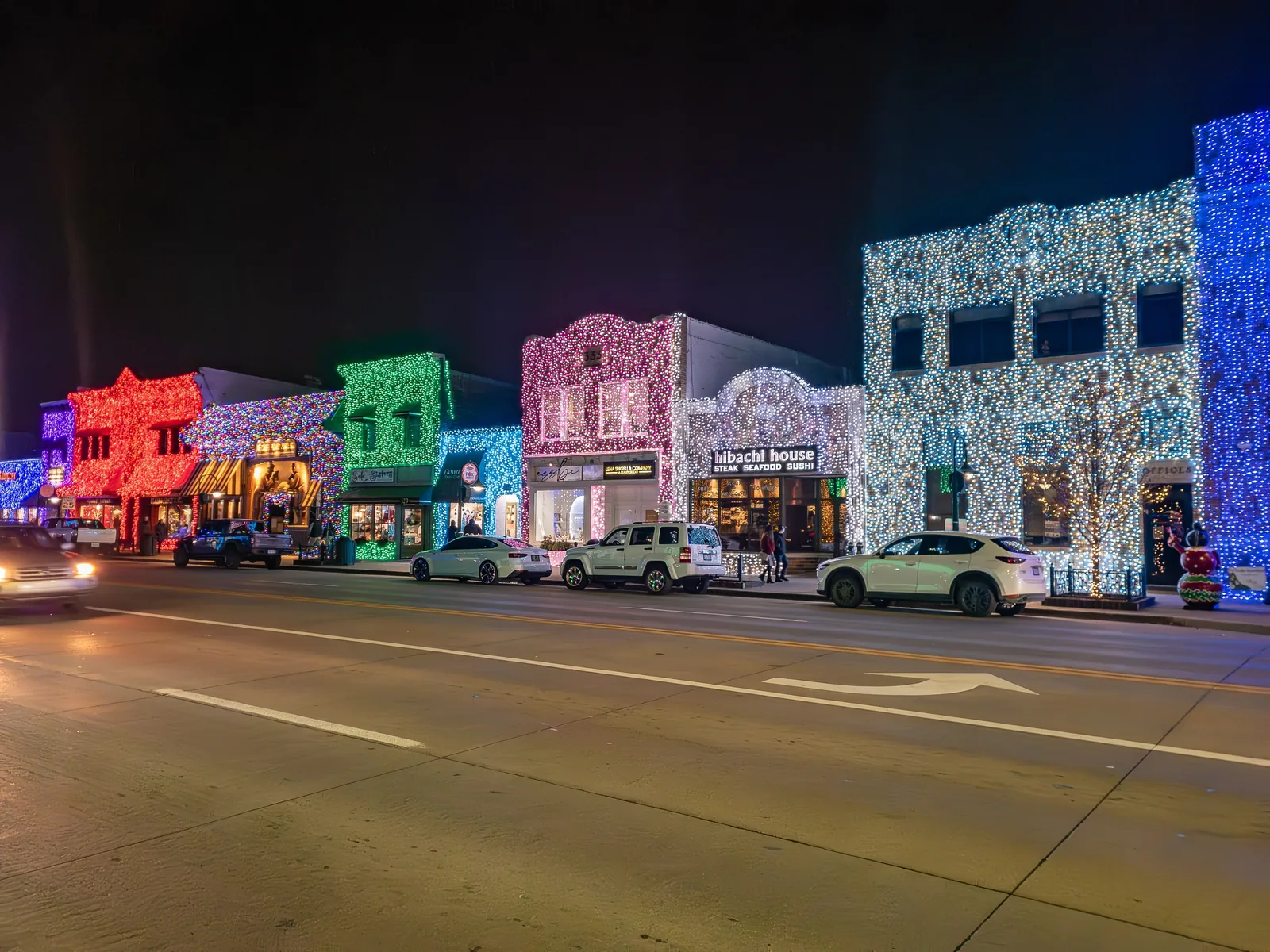
At northern latitudes, sunset moves from just after 5pm in late December to past 9pm in June. A fixed time clock on exterior lighting is wrong most of the year: either you burn parking lot lighting in daylight or your staff walks to their cars in the dark. Astronomical scheduling with a per-site offset is the only setting that stays correct all year.
That same low winter sun is why daylight harvesting gets commissioned twice. A photosensor calibrated in July, with high sun and full leaf cover outside an office park, behaves differently in January when the sun is low, glancing through south and west glass and bouncing off snow. Snow albedo alone can push a perimeter sensor into dimming a zone occupants experience as glare. We recommission perimeter daylight zones seasonally for service-plan clients, and tell everyone else to expect a first-winter callback.
Then there is the cleaning crew. In most office buildings, cleaning runs early evening to late night, and a code-minimum system lights a whole floor for one person with a vacuum. We zone the after-hours override small with a timed release, so light follows them and drops back down behind them.
How The Work Actually Goes.
Survey, Code Review And Design
We walk the space, read the fixture schedule and confirm the adopted code edition with the AHJ. You get a written sequence of operations, zone map, device schedule, riser and proposal before anything is ordered, in the format the bid set expects.
Rough-In
Control wiring pulled with the electrician’s rough, plenum-rated where the return air path requires it, back boxes set, sensor locations verified against the reflected ceiling plan before the grid closes.
Trim, Programming And Calibration
Devices terminated and addressed, schedules loaded, occupancy timeouts and sensitivities set per space type, daylight sensors calibrated at the actual daylight condition rather than the factory default.
Functional Testing And Handover
We test every sensor and photosensor against the sequence, produce the signed acceptance report your inspector wants, train your facility staff and hand over as-builts, credentials and a zone map that matches the building as it was built.
New Build vs. Occupied Tenant Space
On a new build or shell-and-core buildout, controls belong in the bid set. Sensor locations get coordinated against the reflected ceiling plan and diffuser layout before the grid goes in, control pathway shares the electrician’s rough, and functional testing is scheduled against the CO date instead of discovered beside it.
In an occupied tenant space, the first question is what the existing fixtures will accept. Plenty of office buildouts from the last fifteen years already have 0-10V drivers behind troffers that were never connected to anything, and reusing them turns a full replacement into a controls-only retrofit. Work happens after hours, one zone cut over at a time, and the space is fully lit and compliant every morning.
FREQUENTLY ASKED QUESTIONS
Commercial Lighting Control Questions We Get Constantly
For most commercial buildings, they are required. The energy code mandates automatic shutoff, occupant sensing in specific space types, daylight-responsive control in daylit zones and exterior lighting shutoff, plus functional testing before occupancy. The adopted edition your permit falls under sets the details, so confirm it with the AHJ early.
We do, and we carry it as a named line item so it does not fall between trades. We test every sensor, photosensor, schedule and override against the written sequence of operations, then produce the signed acceptance report. Jobs fail this step because nobody was holding the scope.
0-10V for most tenant improvements: cheap, robust and adequate when zones are stable. DALI-2 when the floor plan will change, when you want fixture-level fault and energy reporting, or when you are doing tunable white. The DALI premium is mostly commissioning labor, not parts.
Emergency circuits go to full output on loss of normal power regardless of the dimming state, using UL 924 relays or an inverter. Your building also owes a monthly function test and an annual full-duration test. Self-testing fixtures run and log both automatically, far cheaper than sending someone around with a clipboard.
You call us. On our 24/7/365 service plans, after-hours calls are triaged that night. Most schedule, sensor and gateway faults are corrected remotely before your staff arrives, and anything needing hands on site is scheduled first thing. See our service plans.
One Scope. One Crew. One Signed Test Report.
We design and install commercial lighting control the right way, with no shortcuts. Free on-site consultation and code review, clear package quoting, and a building that passes acceptance testing the first time.